

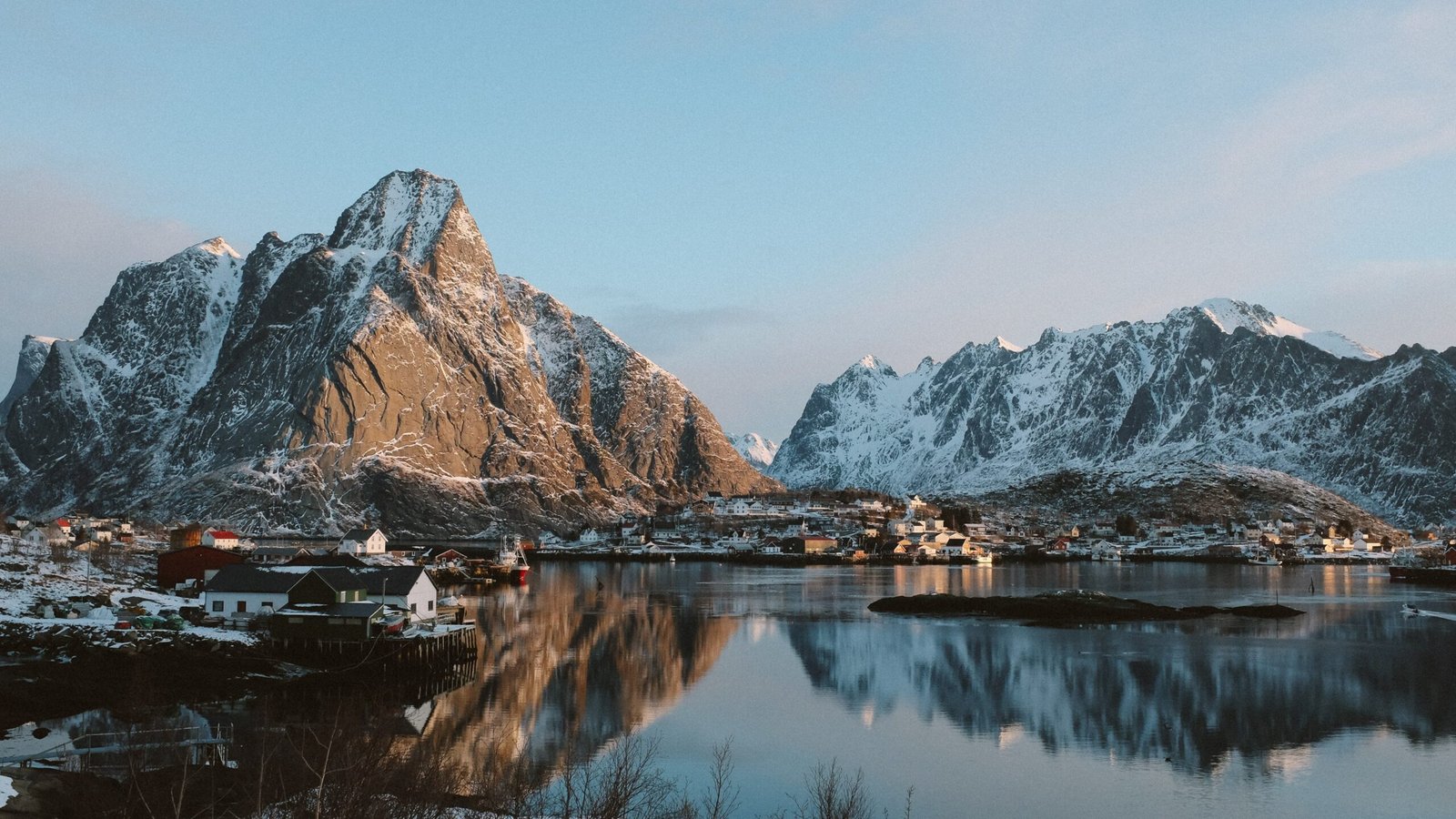
Norway offers visitors an incredible blend of social and natural wonders. From cosmopolitan Oslo to its unending snowcapped mountain pinnacles and deep fjords, there’s no limit of decisions for travelers in the place that is known for the midnight sun and dazzling Aurora Borealis.
Getting around the nation is simple, and the nation’s first class travel systems offer the absolute best touring openings whether by rail or on board the fabulous waterfront steamers.
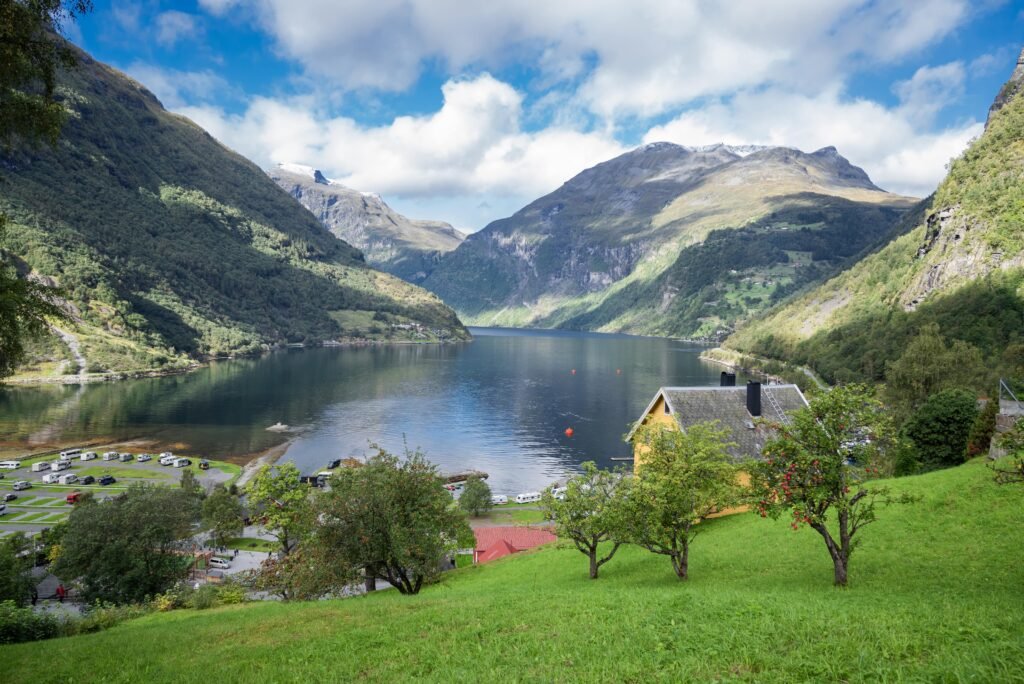
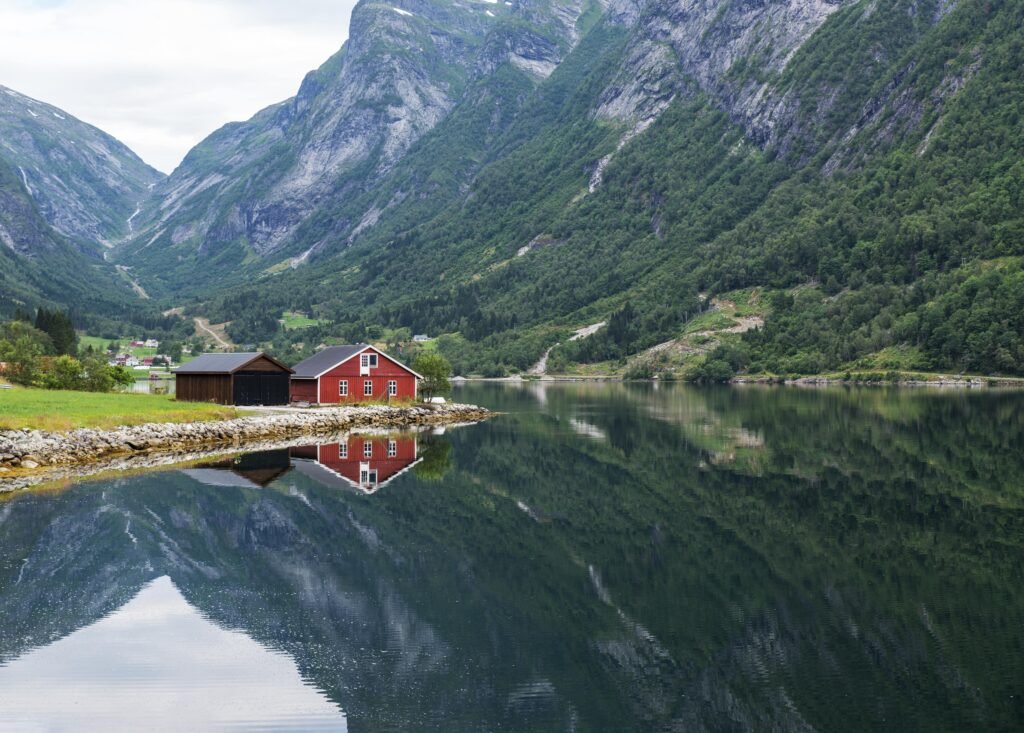
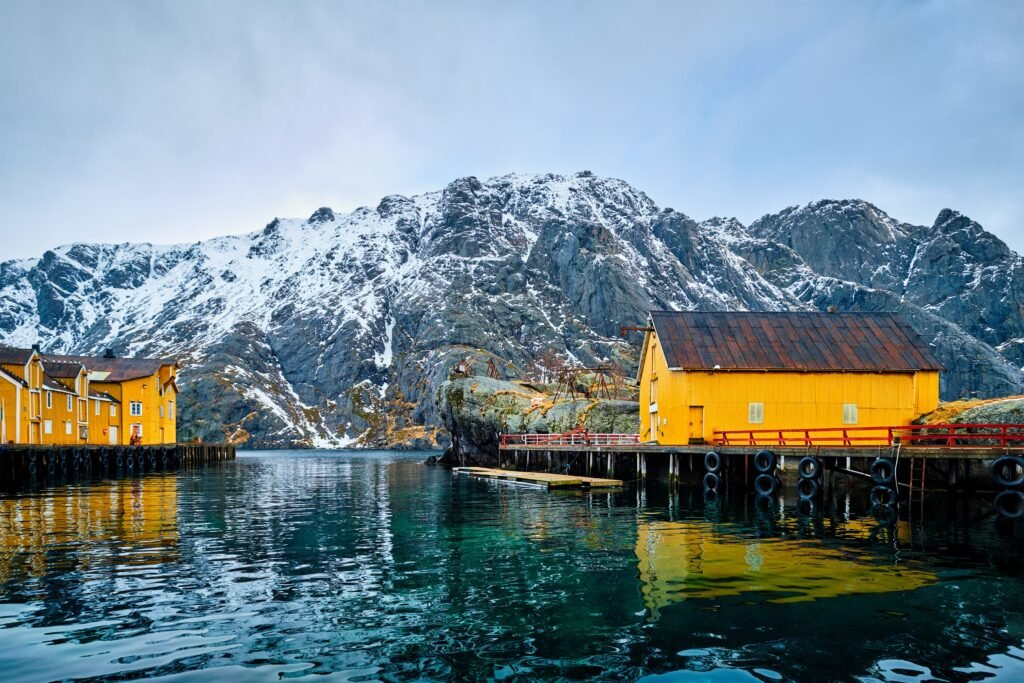
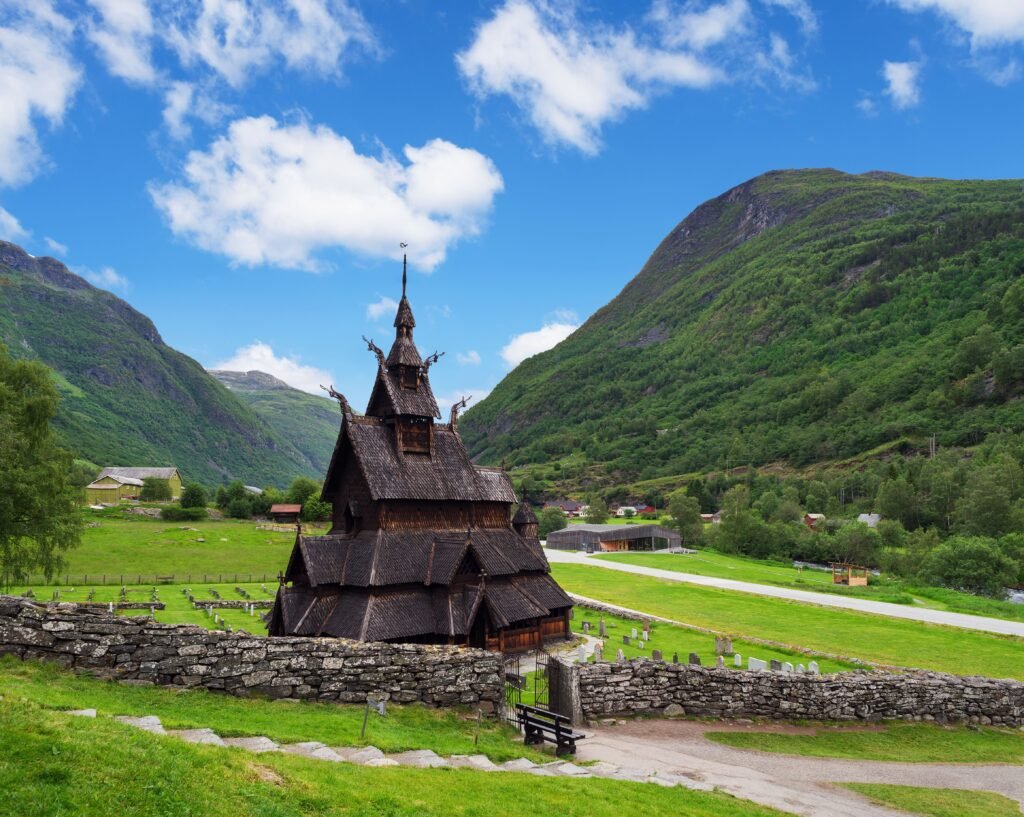
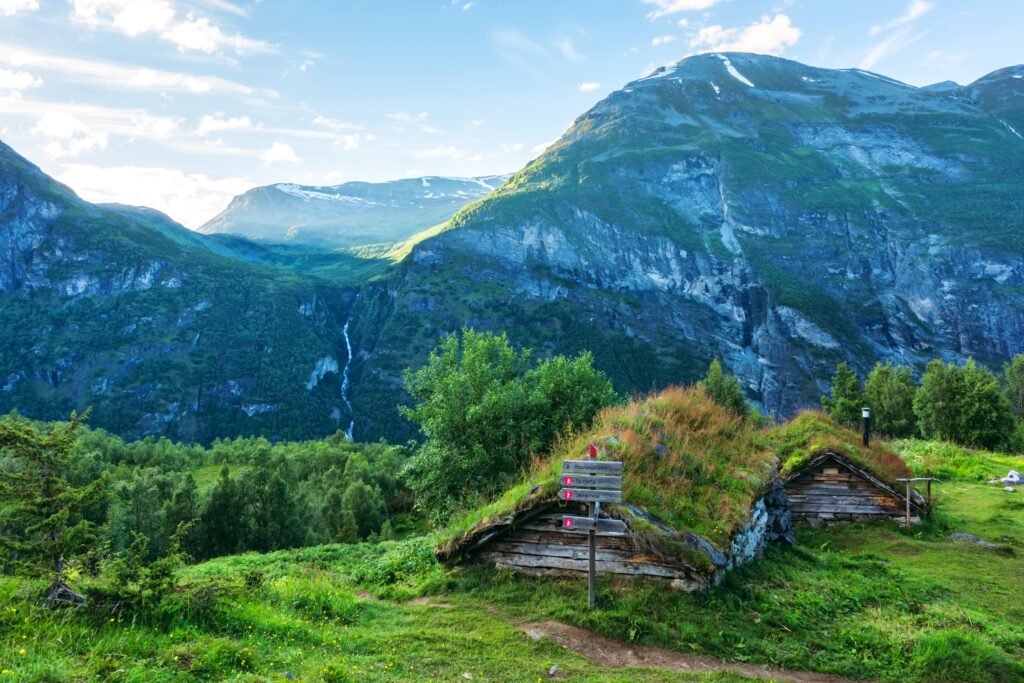
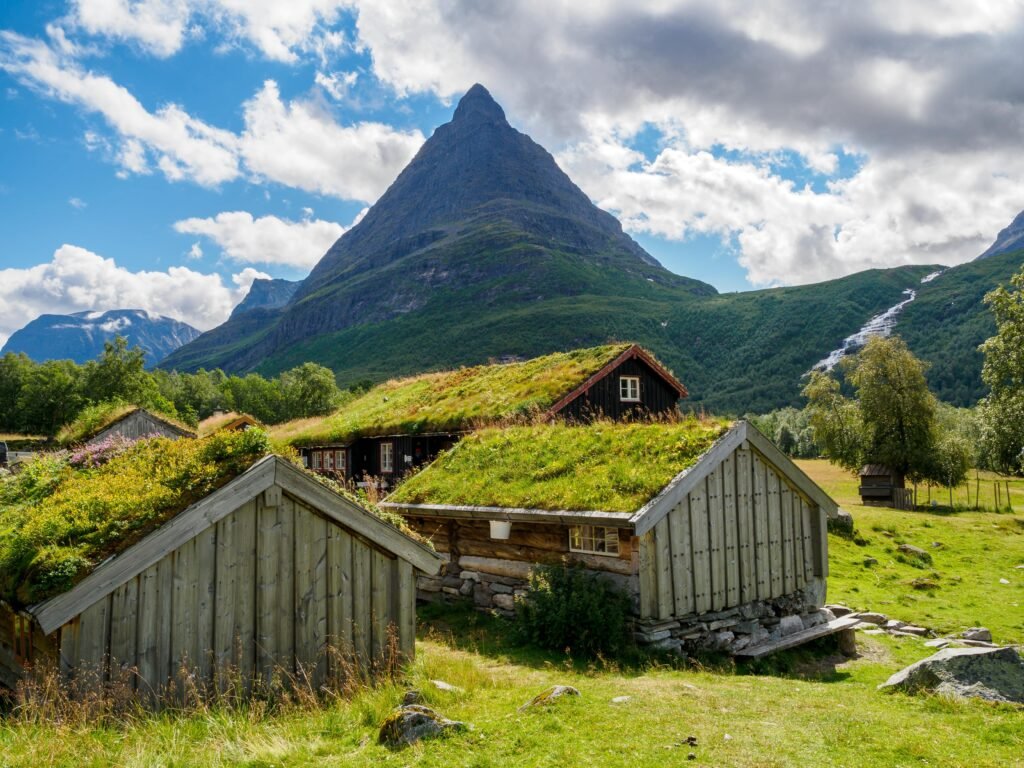
One of the world’s most prosperous countries, Norway appears to have an entrancing museum for pretty much every significant part of its rich social and social history. Do your research, and you’ll discover entrancing attractions covering everything from the Vikings to nautical and fishing, just as art and diversion.
Norway is additionally rich in breathtaking view. From its shocking fjords to its breathtaking mountains and ice sheets, many of which are effectively open to tourists, you’ll discover probably the best places to visit in Europe for exciting adventures
Plan your touring trips with our list of the top tourist attractions in Norway.
Preikestolen
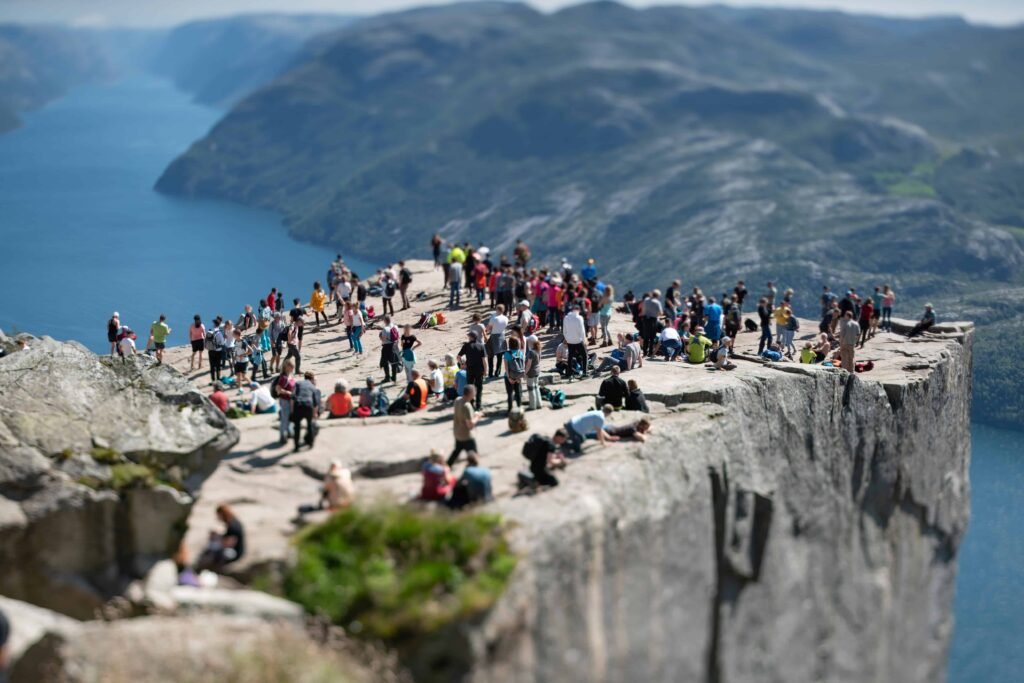
A tourist fascination most appropriate for the dynamic traveler on account of the difficult excursion required to arrive, Preikestolen is by the by one of the most well known sights in Norway. Situated close to Stavanger, the destination requires ship and transport rides and afterward a two-hour uphill climb to reach the entirely level beat bluff, which investigates Lysefjord, more than 600 meters over the water.
Those meeting the Stavanger area will likewise need to stop by the shockingly interesting Norwegian Canning Museum, which is set up as the cannery was during WWII. Stavanger Cathedral is additionally a top tourist fascination in Stavanger. This twelfth century structure features various styles, including a Romanesque basilica, a Baroque lectern, and a Gothic textual style.
Sognefjord
The biggest of Norway’s fjords, Sognefjord reaches 204 kilometers inland from the beach front village of Skjolden and branches off into incalculable more modest bays and fjords en route. At its widest, the King of the Fjords (as it’s known by Norwegians) is very nearly five kilometers across, and the precipice walls reach as high as 1,307 meters, making a breathtaking sight.
The most well known approach to visit the fjord is by boat, and fjord travels and touring tours are abundant. Many of the best tour choices depart helpfully from the alluring town of Bergen (make certain to permit an entire day for your adventure).
Tourists will likewise enjoy investigating the smaller branches like Naeroyfjord, a staggering 17-kilometer stretch with bluff walls that are only 250 meters apart and tower more than 1,700 meters over the water.
Another top destination is Fjærland. This amazingly delightful region is home to Europe’s greatest ice sheet, Jostedalsbreen, and the Norwegian Glacier Museum.
Tromsø
Arranged 349 kilometers north of the Arctic Circle, Tromsø is most popular for its significant job as the base for many significant Arctic campaigns since the mid 1800s. The Tromsø area was first gotten comfortable the thirteenth century as a fishing village, and the business has been a basic part of life here from that point onward, adding to the area’s oceanic appeal.
Additionally a result of its northerly position, Tromsø is a top destination for those wanting to see the awesome aurora borealis, or Aurora Borealis. Tourists will discover various attractions and fun activities around that clarify and explore the phenomenon, including Polaria and the Polar Museum.
A startling tourist fascination for an area deep inside the frozen north, the Tromsø Arctic-Alpine Botanic Garden is home to a plenty of blossoming plants. Features include hardy rhododendrons and the gigantic Tibetan blue poppy, just as a garden dedicated to the region’s traditional restorative plants.
Lillehammer
Situated above Lake Mjøsa at the south finish of the Gudbrandsdal valley, Lillehammer is one of Norway’s most popular all year tourist destinations. In summer, everything’s about attractions like Malhaugen Park, an outside museum comprising of more than 100 noteworthy structures, including eighteenth century farmhouses, workshops, and a fight church.
Another striking milestone is Peer Gynt’s Cottage. Dating from the mid 1700s, it’s said to have been the home of the model of Ibsen’s popular legend. However, it’s the point at which the snow flies that Lillehammer really sparkles. Host to the 1994 Winter Olympics, the city’s list of winter exercises is perpetual: skating, twisting, sleigh rides, more than 480 kilometers of Nordic ski trails, just as elevated ski centers.
Lofoten Islands
The Lofoten Islands form an archipelago off the bank of northwestern Norway and are a well known tourist destination for Norwegians and foreigners the same. Because of the Gulf Stream, the climate here is gentle despite its area inside the Arctic Circle.
Tourists come here to enjoy the sea shores, explore traditional fishing villages, kayak, climb, and see the natural life. These islands are additionally probably the best spot to visit for a brief look at Aurora Borealis. There are a lot of attractions and what should be done on the islands, particularly in Svolvaer, which is the biggest town, situated on the southern shoreline of Austvågøy island.
Here, you will discover the Lofoten War Memorial Museum (Lofoten Krigsminnemuseum), with its World War II assortments, and the exceptional Magic Ice Lofoten, which showcases ice sculptures depicting neighborhood life.
The Lofoten Museum, which explores the historical backdrop of the island’s fishing industry, is additionally situated on Austvågøy, just like the Lofoten Aquarium (Lofotakvariet), which features Arctic ocean life.
Tourists can learn considerably more about the significance of fishing at the Norwegian Fishing Village Museum and the Lofoten Stockfish Museum, which are both situated in the town of Å.
Bryggen Hanseatic Wharf, Bergen
Quite possibly the most famous touring opportunity in Bergen is the Bryggen Hanseatic Wharf. This dynamically painted area was once the city’s center of trade and was overwhelmed by Hanseatic shippers. Today, tourists can track down a few noteworthy structures that depict life during the Middle Ages, just as boutiques, restaurants, and the Bryggen Museum.
Learn considerably more at the Hanseatic Museum, which has been open since 1872. This entrancing museum is housed in Finnegård, a 1704 home that was claimed by one of the dealers. While in Bergen, visitors will likewise need to visit Troldhaugen, the former home and workspace of author Edvard Grieg, just as the Open Air Market.
Beautiful Rail Routes
There’s no greater method to see Norway’s shocking countryside than via train. Maybe shockingly for a particularly precipitous nation, Norway’s rail lines stretch more than 3,218 kilometers, experiencing en route nearly 775 tunnels and more than 3,000 extensions.
The best panoramic detours start in Oslo, including the Bergen Railway, which runs over the Hardangervidda mountain level. Different routes of note are the Dovre Railway from Oslo to Trondheim with its sideline, the Rauma Railway, among Dombås and Åndalsnes, and the famous Flåm Railway, the world’s steepest.
Norway’s rail network likewise offers various other interesting redirections, for example, exemplary steam trains, connoisseur train trips, and pedal-powered rail tricycles (draisines) for use on abandoned rail lines.
Tromsø’s Arctic Museums
Tromsø is home to a few phenomenal museums, two of which are dedicated to studying life in the far north. Polaria is the most current of these, and is home to shows about the aurora borealis (Aurora Borealis), the impacts of environmental change on Arctic ecosystems, and Arctic untamed life, including an Arctic aquarium.
The Polar Museum centers around the area’s long history as a fishing local area and its more recent status as a primary research base for polar studies. Shows include the discoveries of more recent endeavors and logical studies, which delve into the world of the dull and cold deep ocean of the Arctic.
Geirangerfjord
Part of the terrific Fjord Norway network – and regularly besting the UNESCO World Heritage Sites list – the Geirangerfjord region north of Ålesund offers the absolute best view anywhere in Norway. The eastward continuation of the Sunnylvsfjord, the Geirangerfjord brags some the country’s most astounding perspectives.
One of the most incredible is from the culmination of Dalsnibba. At 1,495 meters, the perspectives on the surrounding mountains and the Geirangerfjord far beneath are basically breathtaking. Various travels and tours are accessible, however in case you’re driving, make certain to take the winding Eagles’ Road with its 11 fastener twists and great perspectives.
Akershus Fortress, Oslo
The Akershus Fortress (Akershus Festning) is a medieval palace charged by king Håkon V in 1299, later transformed into a Renaissance royal residence by king Christian IV in the mid seventeenth century. It sits on a projection overlooking the Oslofjord, and the grounds have astounding perspectives over the harbor.
Guided tours are accessible throughout the mid year, and you can likewise discover the Museum of the Norwegian Resistance (Norges Hjemmefrontmuseum) ) on the palace grounds.
History buffs may likewise need to look at the Norwegian Armed Forces Museum (Forsvarsmuseet), which shows weapons and displays illustrating Norway’s military history. The fortress grounds likewise provide an exquisite background for events including public ceremonies, shows, and shows.