

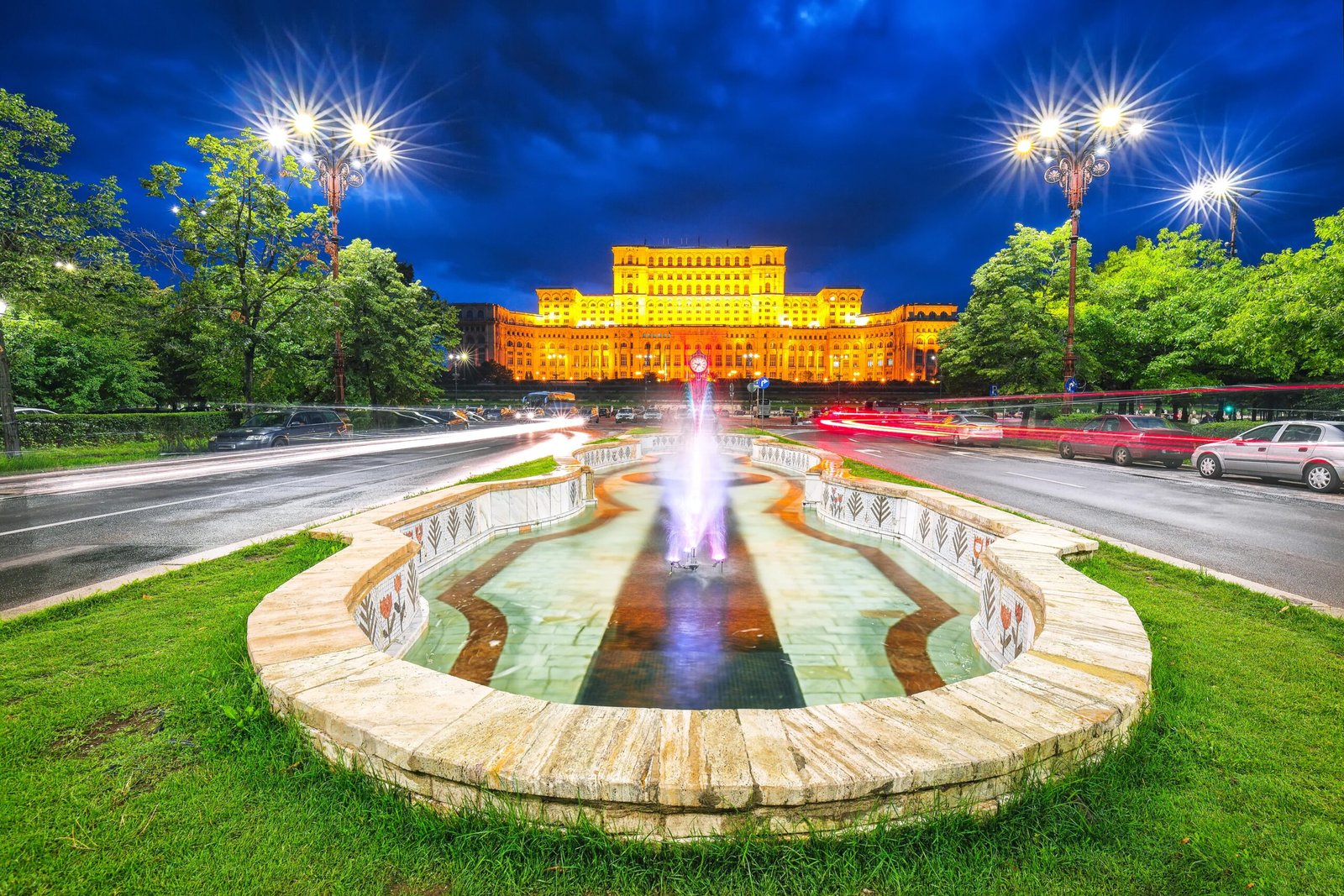
Once known as “Little Paris” for its exquisite architecture, Romania’s capital of Bucharest is rich with a celebrated history that converges with its modern identity. The conversion of architecture is bewildering yet interesting. Its Byzantine structures; sixteenth , seventeenth , and eighteenth century churches; Art Nouveau mansions; and astounding Neoclassical facades have endure earthquakes, war, and later, socialism. During that dim political time, dismal square board masonry left its engraving, just as the colossal Palace of the Parliament, the valued creation of tyrant Nicolae Ceausescu.
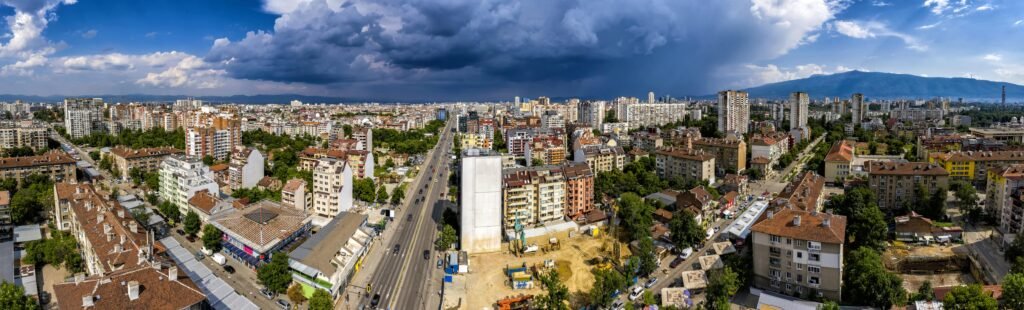
The appeal of Bucharest is revealed by investigating its rambling city parks, admiring the works of art and displays at its phenomenal museums, and losing all sense of direction in the dirty yet beguiling lanes that weave through the Old Town. A walk around Calea Victoriei, apparently perhaps the prettiest spot to visit in the city, is an experience with the country’s grandest structures and most significant landmarks, every one of the a demonstration of times passed by.
Investigating Bucharest is about understanding a complex past that is offering way to its modern reasonableness as a thriving European capital. Track down the best places to visit with our list of the top attractions and what should be done in Bucharest.
Romanian Athenaeum
Home to the George Enescu Philharmonic Orchestra, the stately Romanian Athenaeum (Ateneul Român) is the city’s most prestigious show corridor. The 19th-century building, designed by French engineer Albert Galleron, resembles an antiquated Greek sanctuary with a 41-meter-high vault and a peristyle of six Ionic sections.

The insides feature an anteroom of unpredictably painted gold-leaf roofs, cascading overhangs, and twisting marbled staircases. The 652-seat hall is known for its astounding acoustics and its artistic work. A 70-meter-long and three-meter-high fresco that winds its direction around the roundabout corridor gladly depicts scenes from Romania’s set of experiences.
The Old Town
The Old Town is perhaps Bucharest’s most punctual settlement, where structures date back to the fifteenth and sixteenth hundreds of years. Over the hundreds of years, it has been the seat of Romanian princes, a center for trade, a spot to love, and a crossroads for travelers. It additionally managed to endure Ceausescu’s 1980s demolishing of one fifth of the city to construct his vision of another Socialist capital. In the wake of going through decades as a ghetto, a large part of the Old Town has been improved and renovated since the fall of socialism.
However while many memorable structures have been chivalrously restored, then again different properties anticipate their facelift. This difference gives considerably more appeal to the Old Town’s pedestrian lanes and cobbled streets fixed with bookshops, theaters, restaurants, and bistros.
Famous activities here include visiting Curtea Veche, an outdoors museum based on the site of the Old Princely Court, when home to Vlad the Impaler, and the National Museum of Romanian History with its fine assortments of religious and royal treasures.
Stavropoleos Church
Little, peaceful, and lovely, the Stavropoleos Church (Manastirea Stavropoleos) was worked in 1724 by a Greek priest, Ioanikie Stratonikeas. With its unpredictably cut passageway fixed with sections, this Brâncovenesc-style church stands apart as an extraordinary milestone in Bucharest. The Orthodox church features fine stone and wood carvings and a blend of Romanian and Byzantine elements. It is surrounded by a garden yard loaded up with eighteenth century gravestones.
Inside, a few frescoes and wood symbols can be admired. The church complex once included a hotel and a monastery yet both were destroyed. The actual church was restored a few times after damage from earthquakes, and is noted for its one of a kind library that houses an enormous assortment of books related to Byzantine music. Make certain to really take a look at the church’s sites for information on shows and different events, which are accessible to the general population.
Palace of the Parliament
The Palace of the Parliament (Palatul Parlamentului) is one of the top tourist attractions in Bucharest. It is the world’s second biggest administrative structure (after the Pentagon), a design mammoth that likewise claims title as the heaviest structure in the world.
Flaunting more than 3,000 rooms over 330,000 square meters and developed with marble and steel, it was initially called the People’s House by its visionary, the despot Nicolae Ceausescu, who used it as his family’s residence and as the seat of his government.
To finish it, Ceausescu annihilated spots of love, workshops, factories, parks, part of the Old Town, and entire areas. More than 20,000 workers and 700 planners worked on the rich Neoclassical-style palace over a range of 13 years, from 1985 to 1997, during which time most of Romanians faced poverty.
Still incomplete, today a little piece houses Romania’s parliamentary headquarters and the National Museum of Contemporary Art. Booked tours carry visitors up near its tremendousness, the kitsch, and the outrageous extravagance Ceausescu would have kept on encountering had he not been overthrown in a rebellion.
Curtea Veche: The Old Princely Court
Situated in the heart of the Old City, the Old Princely Court (Curtea Veche) was the palatial residence of Wallachian princes. Maybe its most popular inhabitant was Vlad Tepes, also called Vlad the Impaler, who inspired Bram Stoker’s story of Dracula. A sculpture of the infamous Romanian prince remains among what’s left from an earlier time, including the court’s walls, a few curves, and segments.
A sixteenth century prince, Mircea Ciobanul, repaired the palace after Vlad the Impaler’s standard, and he grew the surrounding Lipscani area as the trading core of Bucharest by building up a local area of skilled specialists. In 1559, Ciobanul constructed the Old Princely Court Church close to the palace. For the two centuries that followed, it was the spot for succeeding Romanian princes to be coronated.
Additionally deserving of a visit is the Old Court Museum, which features stoneware and artifacts found during an archeological burrow around the vestiges.
Public Museum of Romanian History
The National Museum of Romanian History (Muzeul National de Istorie a României) is set in an appealing Neoclassical structure initially worked for the Romanian postal service. Since 1970, the museum’s 60 rooms have shown the nation’s most captivating recorded displays dating from prehistoric to modern occasions. The greatest permanent show is a huge replica of the second century Trajan’s Column, implicit honor of the vanquishing Roman sovereign Trajan, who defeated Romania’s antiquated Dacian clans.
Thousands of gold things and Neolithic artifacts, including gems dating to the hour of the Geto-Dacians, can be found in the Romanian Treasury. On permanent showcase are the Romanian Crown Jewels, including shocking emerald pieces made for Queen Marie, who was the spouse of Romanian King Ferdinand. Additionally here are gold artifacts from the fourth century Pietroasele Treasures. It was once considered the most significant treasure assortment in the world before Tutankhamen’s burial chamber was unearthed.
The Grigore Antipa National Museum of Natural History (Muzeul National de Istorie Naturala Grigore Antipa) — ordinarily referred to just as the Antipa Museum — ought to likewise be included in your list of Bucharest spots to visit. Recently refurbished, it houses everything from intuitive shows to traditional showcases of creature species from around the world.
Revolution Square
Revolution Square (Piata Revolutiei) acquired its name after laying the right foundation of despot Nicolae Ceausescu’s final minutes of force in Romania. On December 21, 1989, a rebellion resulted here with the assistance of a horde of more than 100,000, forcing the leader of the socialist coalition to escape and shifting the direction of the nation’s set of experiences. Until that date, the central square was known as Palace Square, because of its closeness to the Royal Palace, which is the current home to the National Museum of Art.
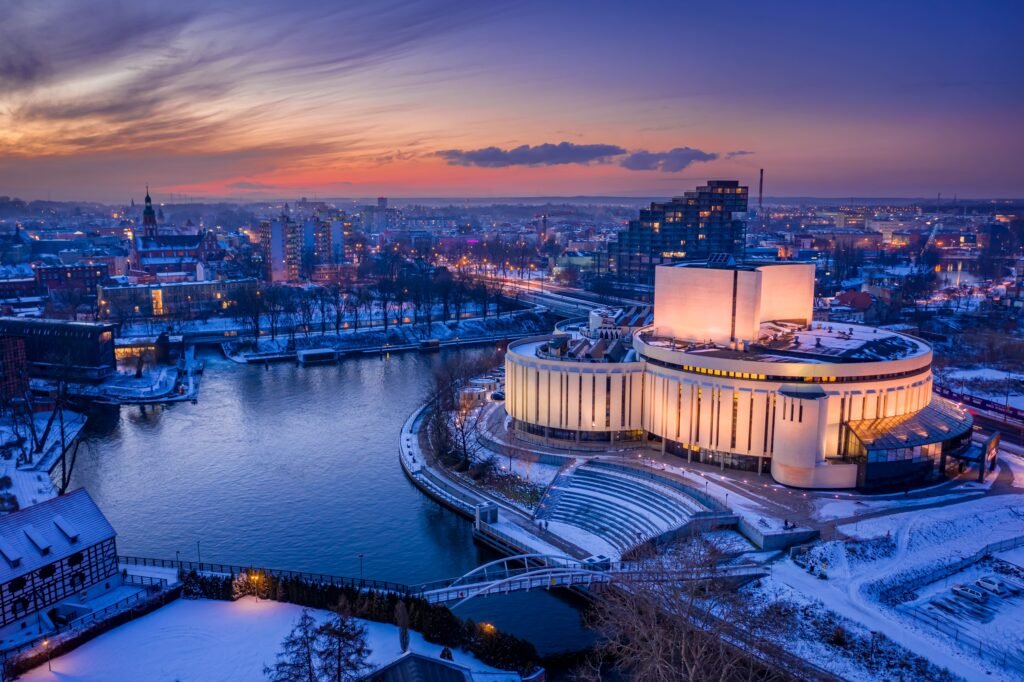
Other memorable structures stand close by, including the Senate Palace, the Romanian Athenaeum, and the Athenee Palace Hilton Bucharest.
Revolution Square is likewise known for the dramatic Monument of Rebirth. Erected in 2005, it includes the names of the 1,058 victims of the bloody revolution and a bronze sculpture of Iuliu Maniu, the Romanian prime minister imprisoned by the socialist faction.
Dimitrie Gusti National Village Museum
Founded in 1936, the Dimitrie Gusti National Village Museum — generally abbreviated to just the “Village Museum” (Muzeul Satului) — is an extraordinary outside museum that stretches through verdant Herastrau Park and depicts the traditional lifestyle in Romania.
Visitors can wander through 300 traditional structures, incorporating worker homes with steep roofs, covered stables, substantial log lodges, different kinds of churches, workshops, and plants — all of which have been moved from towns across each region of Romania.
Each building was carefully dismantled, dispatched to the museum, and rebuilt to be part of the walkable village-like setting in the park. The Village Museum additionally shows artifacts and stoneware, just as other traditional things hailing from around the country.
Arcul de Triumf
Completed in 1878, Bucharest’s first Arch of Triumph (Arcul de Triumf) was made from wood and dedicated to the Romanian soldiers who battled in World War I. In 1936, it was reconstructed in stone and designed by modeler Petre Antonescu at a stature of 27 meters. The curve is adorned with sculptures created by the most outstanding Romanian stone carvers, including Ion Jalea and Dimitrie Paciurea.
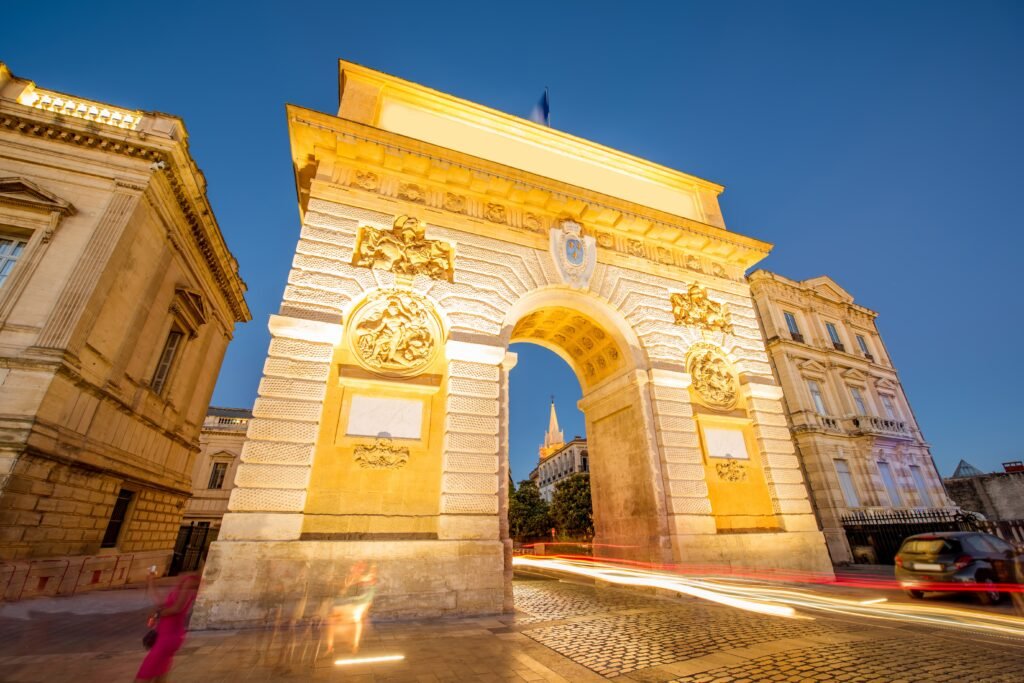
Right up ’til the present time it continues to fill its need of being the central point for military parades. Romanian soldiers walk underneath it for large events, including every December first, which is the country’s public occasion.
Public Museum of Art of Romania
Housed in the former Royal Palace, the National Museum of Art of Romania (Muzeul National de Arta al României) is the nation’s leading art museum and houses the world’s most finished assortment of Romanian art, including medieval and modern art.
Set up in 1948, the museum is likewise where the Royal Collection, including Romanian and European art tracing all the way back to the fifteenth century, can be admired. More than 100,000 works are in the different corridors, including compositions by the nation’s most celebrated artists, Theodor Aman, Nicolae Grigorescu, and Gheorghe Tattarescu.
The modern Romanian assortment features sculptures by Milita Petrascu and Dimitrie Paciurea. One room is dedicated to Constantin Brancusi, quite possibly the most compelling stone carvers of the twentieth century. The European Gallery nearby has 15 rooms including works by El Greco, Monet, Rembrandt, Renoir, and Rubens.