
A long, tight nation pressed in the middle of the South China Sea and the Laos and Cambodia borders, Vietnam is a place where there is striking scenes that range from the lavish rice terraces and forested mountains in the north to the picturesque valleys of the Central Highlands and the rich delta and excellent sea shores of the south. Vietnam has seen something reasonable of battles. Governed for just about a thousand years by different Chinese administrations until 938 AD, Vietnam turned into a French protectorate in the 19th century. After independence, there was the Vietnam War. Today, Vietnam is a pleased nation and you can perceive any reason why. For fiercely defending its own independence, yet for its incredible scenes and history.
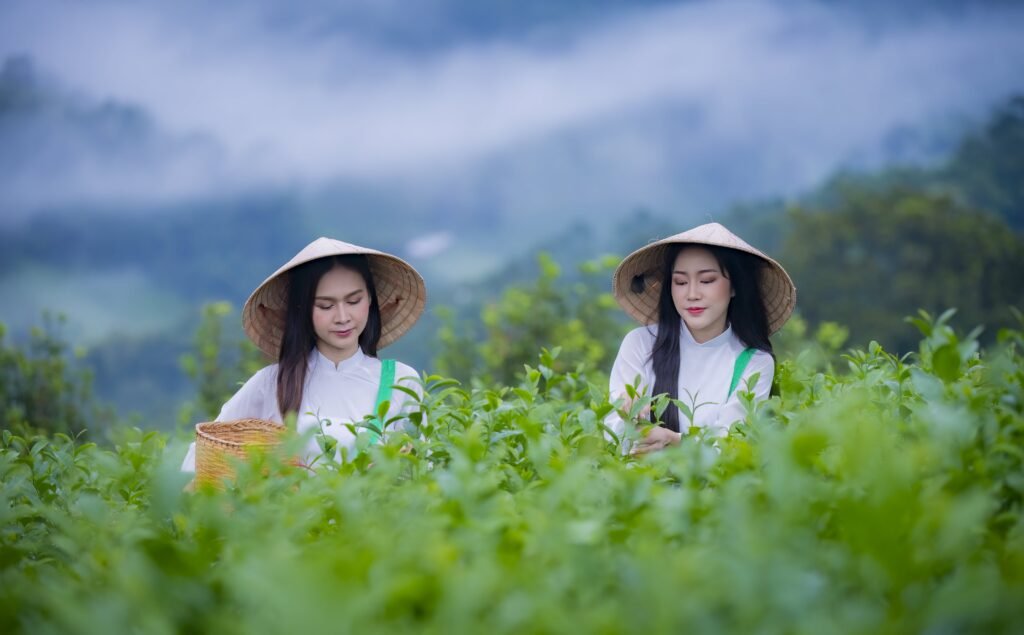
The primary words all the rage when speaking of Vietnam are without a doubt Halong Bay, a lovely arrangement of karst islands and formations off the northern coast. Hanoi is the clamoring, motorbike filled capital. Plan your excursion to this wonderful Southeast Asia travel destination with our list of the best places to visit in Thailand.
Phu Quoc
Phu Quoc is a beautiful island in the Gulf of Thailand. While it officially forms part of Vietnam, it is in reality nearer geographically to Cambodia. Today, it’s described by dense tropical wilderness, soft sandy sea shores, and undulating hills. In any case, the island has an interesting history, having served first as a French minister base and afterward as a French provincial wartime prison – a bleak reformatory that you can visit today.
History aside, the island is generally enticing for its appealing tropical nature. Days in Phu Quoc are spent sunbathing on sandy sea shores, scootering around fishing villages, visiting pearl and pepper ranches, and, in case you’re available, trekking to waterfalls.
An island that is famous for its fish, don’t botch a chance to evaluate Phu Quoc’s famous fish sauce (nuoc mam) – you can even visit one of the fish sauce factories while you’re here!
Dalat
All year cool climate and pure landscape of hazy valleys, lavish pine trees and colorful blossoms are a portion of the reasons that Dalat was once used by Vietnamese sovereigns and French colonials as a late spring retreat. Today, this enchanting town in the South Central Highlands of Vietnam is a famous destination for honeymooners, end of the week excursions and for those looking for relief from the warmth.
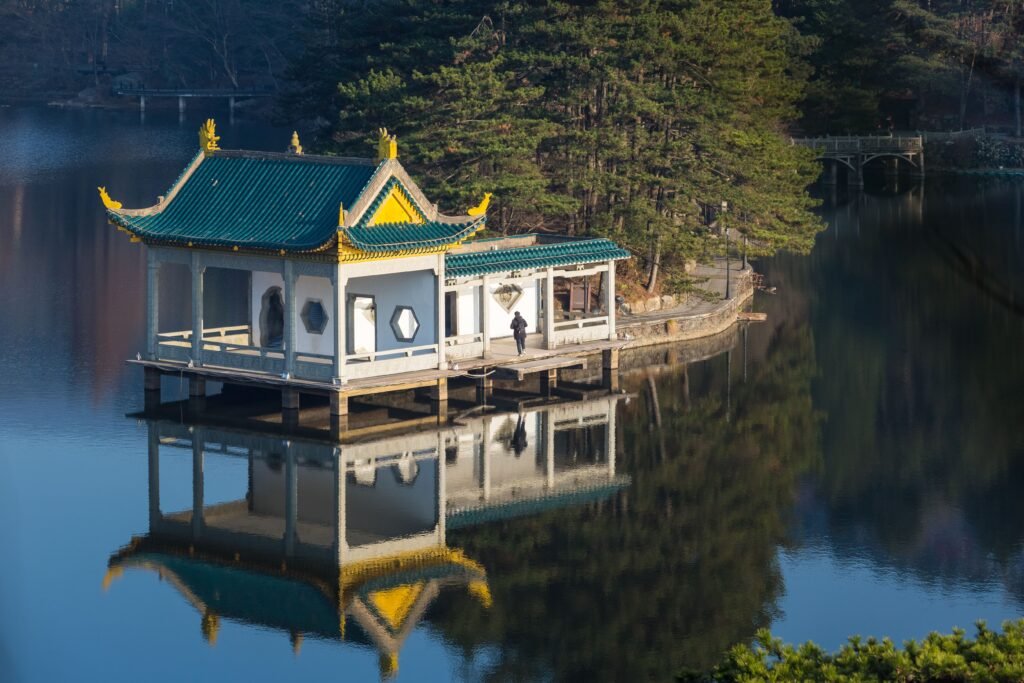
A walkable city, Dalat is a delightful scene of French provincial architecture and estates set in the midst of picturesque scenes. The city is notable for its royal palaces that were possessed by the last head of Vietnam. These flawless palaces are open for tours similar to the Hang Nga Guesthouse, the city’s most bizarre fascination. Informally called the “Insane House,” this structure is a fantastical development with caves, spider networks and states of creatures and mushrooms. Dalat’s lively market is a great spot to discover organic products, blossoms and vegetables filled in the neighborhood well as handicrafts and silk embroidered things.
Outside the city are beautiful lakes, bloom gardens, ranches and mountains offering pretty waterfalls and trails for hiking and mountain biking. An unquestionable requirement do is the Valley of Love, an incredibly wonderful valley with pine forests and lakes where tourists can enjoy pedal-drifting and canyoning.
My Son
Situated on the central shoreline of Vietnam close to the Duy Phú village is the significant archeological site known as My Son. One of Southeast Asia’s most eminent legacy locales, My Son was once a huge center of religious Hindu ceremonies where the kings of the Champa Kingdom fabricated various sanctuaries devoted to the love of the god, Shiva, between the fourth and fourteenth hundreds of years.
Accepted to have once contained more than 70 sanctuaries that were built with block and decorative carvings and sculptures bearing scenes of creatures, priests, divine beings, legendary fights and engravings of Sanskrit and Champa, My Son today features a complex of remains in changing states of disorder and repair, all arranged in a few groups.
Inside the site is a museum where visitors can look at shows and artifacts to more readily understand and appreciate the vestiges. Close to the passageway of My Son are a couple of bistros, food merchants and a shop selling keepsakes. At specific times, visitors can observe live Champa dance performances. Additionally, the site is surrounded by wilderness, hills and a lake where visitors can enjoy hiking and kayaking.
My Son is often reached by coordinated tour groups from Hoi An. Notwithstanding, visitors can likewise show up at My Son by motorbike rentals.
Phong Nha-Ke Bang National Park
Concealed in the Quang Binh Province in Vietnam’s Central Coast region, Phong Nha-Ke Bang National Park is perhaps the most picturesque parts of the country. With a steadfast reputation as a recording area for 2017 Kong: Skull Island, and with a close by international air terminal, the public park is more mainstream than any time in recent memory.
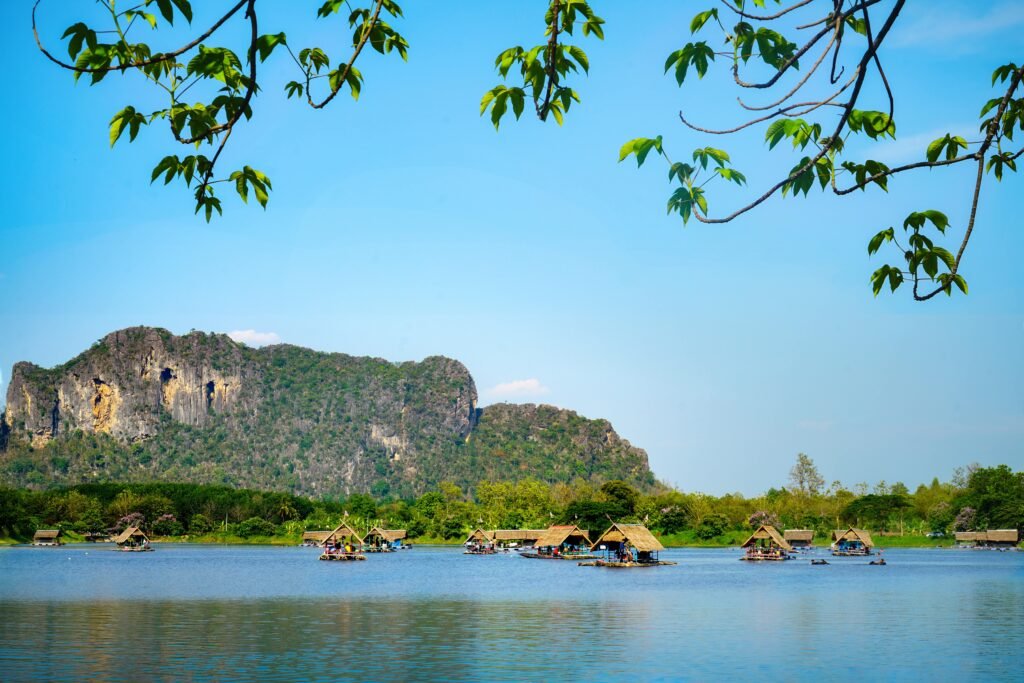
Opened to people in general in 2010, the appeal of Phong Nha-Ke Bang National Park is the departure from the city. Here, you’ll carry on with life in the lethargic lane as you cycle through Kong wildernesses at your own speed. Home to 400 million-year-old karst mountains, there are hundreds of caverns and secretive waterways to explore. The Son Doong Cave is an absolute necessity visit. Home to its own personal hidden wilderness, microclimate, and Underground River, it’s perhaps the biggest cavern on Earth.
Because of its area close to the Laos border, admittance to the park is totally controlled, and visitors can hope to track down a solid military presence here. This is chiefly because of its war history – the park has a portion of the world’s highest quantities of undetonated bombs, which is the reason visitors can only visit this spot with an authorized tour guide.
Hoi An
Laidback and appealling with an appeal the entirety of its own, Hoi An is the feature of any Vietnam agenda. Found south of Danang inside cycling distance of some astounding warm-water sea shores along the central coast, this climatic old town is a gala of color, where brilliant and happy lamps adorn every single structure.
The limited, winding lanes of the old town are fixed with delightful noteworthy structures, Chinese sanctuaries and wooden-fronted shops with phenomenal freedoms for retail treatment, there’s a lot to fill your evenings in Hoi An.
Peruse the market, fight an enticing spa deal, and get a dress or tailored suit handmade for you at one of the town’s many celebrated tailors. Try not to leave without a visit to the stunning Japanese Covered Bridge and the coating roofed Chinese dealer houses that date back hundreds of years and house a quarter of the town’s populace.
Nha Trang
In case it’s grounding you’re after, you’ve gone to the ideal spot. Nha Trang is the most famous seaside resort in Vietnam, with a laidback atmosphere and excellent scuba plunging. While it’s absolutely not on similar scale as many of Asia’s other delightful sea shores, Nha Trang offers warm water and some picturesque offshore islets.
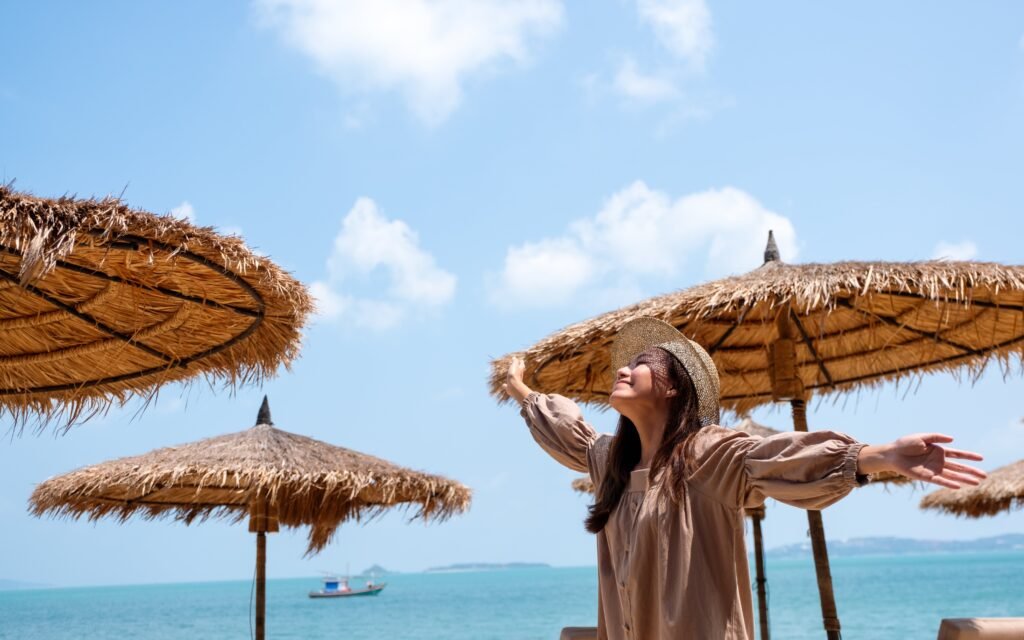
The promenade that encloses the beachfront is consistently a very busy place, loaded up with parks and sculptures that make a walk around interesting. Similarly as with most sea shore resorts, the greater part of the action gets moving when the sun goes down, and Nha Trang is the same. You’ll discover a large group of vibey bars and restaurants close to the beachfront.
There’s considerably more to Nha Trang than sunbathing and walks, however. Go for an absorb the Thap Ba Mud Bath or take a ride on the longest cross-ocean cable vehicle in the world. The sacred Po Nagar Cham towers, tracing all the way back to the seventh to twelfth hundreds of years, offer a sample of the city’s set of experiences – they’re a functioning religious site for Cham, Chinese, and Buddhists even today.
Ha Long Bay
Situated about 130 km (80 miles) east of Hanoi in northern Vietnam, Halong Bay is celebrated for its ravishing emerald-tone waters, thousands of breathtaking limestone karsts, amazing waterside caves, and lovely tree-beat islands. It’s a mainstream area for adventure – scuba plunging, kayaking, hiking, and rock climbing would all be able to be enjoyed in and around Cat Ba National Park. For the people who wish to just relax and enjoy the perspectives, there are various Halong Bay travels to browse, from fundamental to high even out extravagance.
The thousands of islands scattered about the inlet are a real mixture, going from detached landmasses home to free-meandering monkeys and eland to bigger occupied islands for certain fabulous sea shores. Boat travels are the most ideal approach to experience the natural wonder of Ha Long Bay. With hundreds of boats going from traditional Chinese throws out to extravagance cruisers, boat tours can differ from roadtrips to several night ventures. These tours often provide suppers, nightlife exercises and trip stops where islands, caverns and tidal ponds can be explored. Most boat travels are arranged either from Hanoi or from ports like Haiphong, Halong City and Cai Rong.
Tone
Tone – formerly known as the Panduranga of Cham Kingdom – was once the royal capital of Vietnam. Situated in the central region, Hue had a huge job to carry out in the Vietnam War. Captured by the Viet Cong for a sum of 24 days, thousands of individuals were killed here in case they were believed to be supporters of the south.
Today, the city is parted in two by the Perfume River. The old city with its old demolished citadel deceives the north and the modern-day city toward the south. The Demilitarized Zone, which denotes the official former border, is perhaps the most famous roadtrips from Hue while the Thien Mu Pagoda is the city’s official image.
Of the city’s landmarks, the Citadel is the most famous. When the seat of the Nguyen rulers, the Citadel is a rambling complex of great palaces, luxurious sanctuaries, walls and doors. Prime attractions inside the Citadel are the Forbidden Purple City, Thai Hoa Palace, and the Ngo Mon Gate. One more significant milestone on the stream is the city’s official image, the Thien Mu Pagoda.
A walk around the promenade is additionally recommended, through the sculpture bountiful parks and onwards by bike or boat voyage to the Tombs of the Emperors on the outskirts of the city. Tracing all the way back to the 19th and twentieth hundreds of years, the Tomb of Tu Doc, with its striking Buddhist architecture is the clincher.
Mekong Delta
The Mekong Delta, nicknamed the ‘Rice Bowl of Vietnam,’ is a lavish network of streams in Vietnam known for its incredible supplement rich soils and various ecosystems – the banks are an authentic patchwork of natural product, vegetables, rice manors and steers cultivates that provide food for more than 33% of the country.
This impressive stretch of stream facade is the most biodiverse in the world in the event that you don’t tally the Amazon. Taking up a large part of the south of Vietnam, the Mekong Delta is an extraordinary spot loaded up with lily pad streams, rice paddies, mangroves, and enchanting untamed life.
With a lot of transport associations and motorbikes, tourists can explore the Mekong Delta and its towns like Tra Vinh, which is considered probably the prettiest village of the delta. A boat trip down the quiet feeders and mangroves of the Mekong is an unforgettable experience. Paddled by a neighborhood in a wooden kayak, you’ll have the option to observe regular day to day existence on the stream, passing farmlands, organic product orchards, monkey spans, water wild ox, and gliding markets. The best an ideal opportunity to visit the Mekong is during the dry season among December and May whenever there’s less shot at flooding.
Sapa
Following the border with China, Sapa is a dazzling remote town in the Hoang Lien Son piles of northern Vietnam. Its rise 1,500 meters above ocean level isn’t anything to scoff at when you’re trekking the terraced hills and slants around this high-altitude mountain town. While there’s a lot of natural excellence to entice you to this far-reached corner of the country, quite a bit of Sapa’s appeal lies in its crude and genuine culture.
Days are spent trekking through rice paddies, country villages untouched by tourism, and the clouds of Fansipan – Vietnam’s highest pinnacle. View aside, the feature is hands down the chance to talk with these interesting individuals en route – neighborhood children will follow along and attempt to sell you a portion of their handmade gems or just attempt to work on their English by speaking to you.
In the town of Sapa itself, there are alluring French pioneer locales worth visiting like the Gothic church, the town square and city lobby. Sapa is a significant market town where the different ethnic clans in the area often assemble to sell their handicrafts, which make astounding keepsakes. At the Sapa Culture Museum, visitors can become familiar with about the set of experiences and cultures of these ethnic groups.