
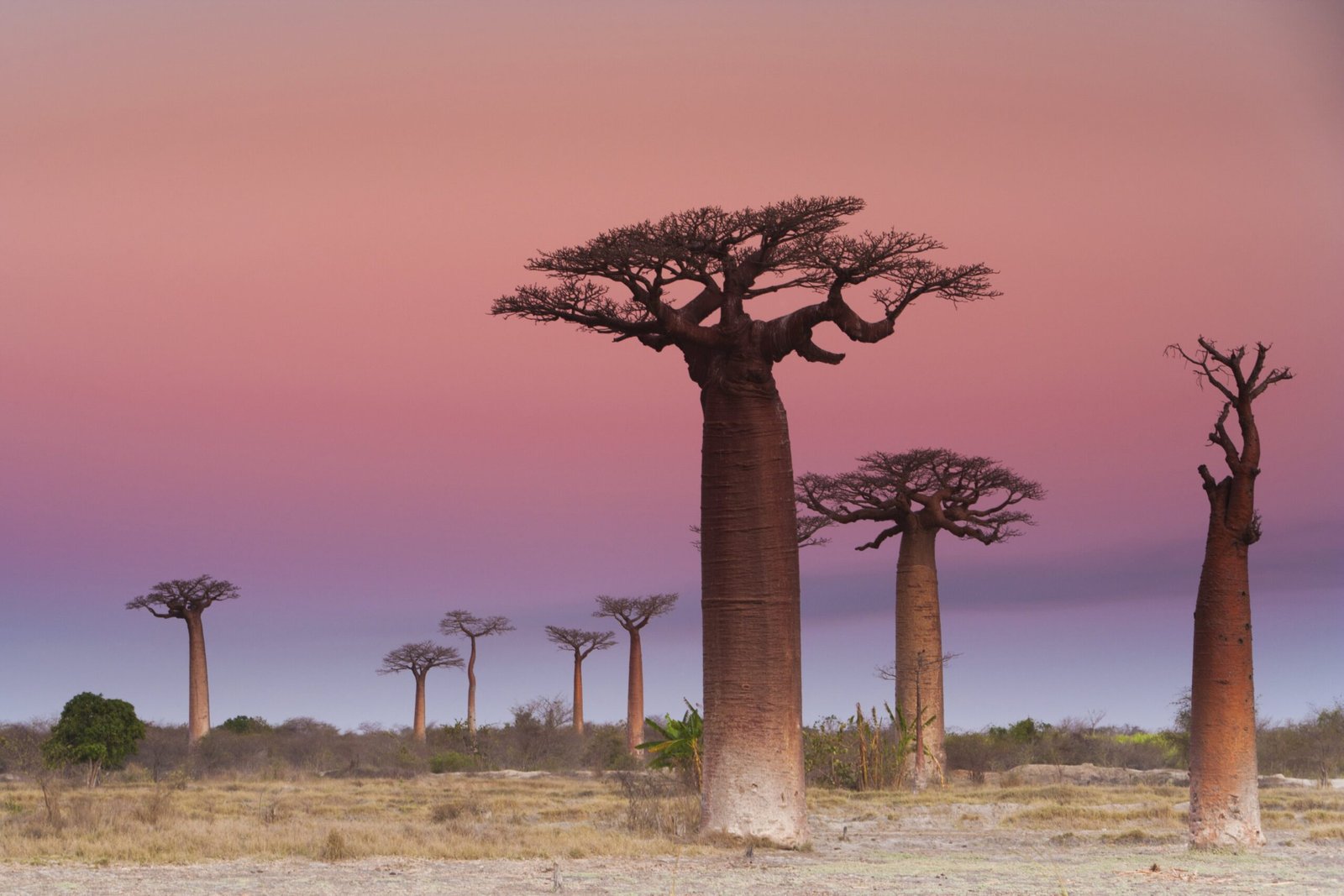
Madagascar; simply the actual notice of the name inspires pictures of the fascinating and the tropical. A place that is known for giant, bulbous baobab trees from hundreds of years passed by, of bug-eyed lemurs and of swinging indri indris, it has all the tastefulness of an onetime French province; every one of the wildernesses of East Africa; all the warmth and sparkling sands of the Indian Ocean; every one of the traditions of a spot detached and alone and saturated with ancestral accounts.
The huge island – the fourth greatest in the world, truth be told – is a magnet for an entire host of different travelers. Sea shore lovers can run to the sparkling shores of the west coast to swim with beams and spot whales.
Ranomafana National Park
The natural gem of Fianarantsoa and the home of Madagascar’s famous golden bamboo lemur, Ranomafana National Park draws thousands of individuals every year to its forest-clad reaches in the heart of the island’s eastern hindquarters.
Sweeping down from dim montane forests to marsh fields, the territory is crisscrossed by endless supply of hiking track, cut out by thundering waterfalls and peppered with multi-colored reptiles.
An expression of warning: Ranomafana’s greatest draws lie deep between the mountains and forests, so make certain to bring tough boots and solid legs for this one!
Meddling Be
Simply a short bounce, skip and a leap across the Indian Ocean waters from the town of Ambanja, dazzling minimal Nosy Be is the spot to go for Madagascar’s trademark sea shores.
Sparkling in tints of alabaster white in the bays and deltas that ring the shoreline here, they spring up flawlessly around little fishing villages like Ambatoloaka, or come spotted with groups of influencing palm trees at Ambondrona.
There are sea shore parties as well, emitting every Sunday along the sands of Madirokely.
Also, Nosy Be’s fame regardless, there are opportunities for real disconnection for sure – simply look at the remote of Orangea, mulling out adrift from the north-west coast.
Tsingy de Bemaraha
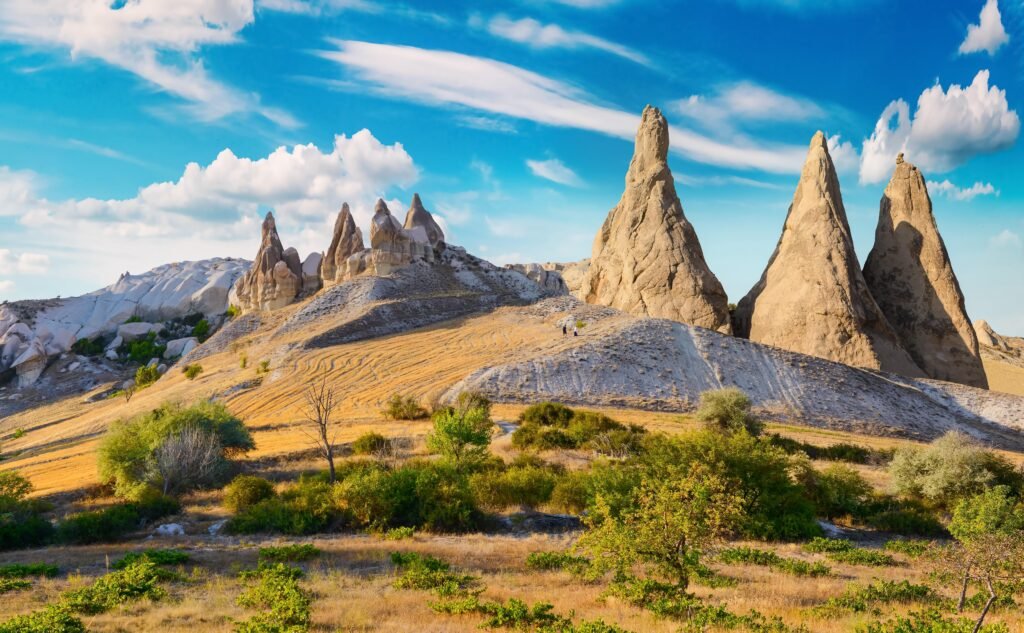
A really dramatic scene of cut rocks and transcending hoodoos, needle-like stone spires and titanic stone monuments adjusted questionably on bluffs, the Tsingy de Bemaraha is one of Madagascar’s most inquisitive natural treasures.
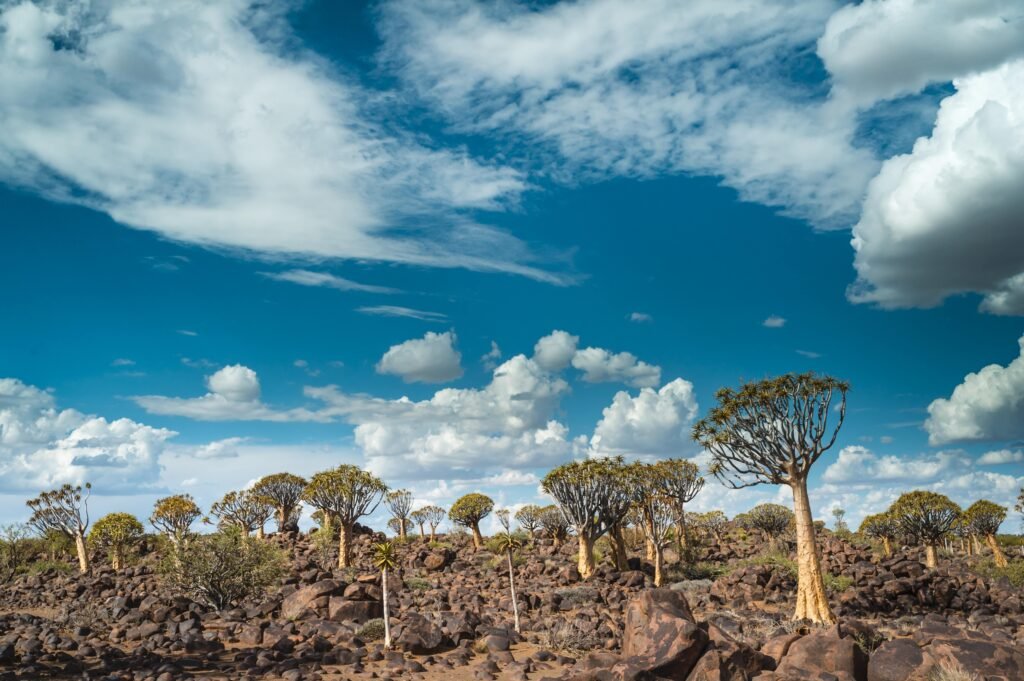
It tends to be found in the midst of the long green belt of nature reserves on the west coast, showing its rough karst scenes where the inland high countries offer way to the verdant hills nearer to the shore.
Today it’s likewise an UNESCO World Heritage Site; one labeled for its great biodiversity of dry deciduous forests, rare rock environments, and the camera-ready nature of the sweeping level inside.
Ile Sainte Marie
The Ile Sainte Marie is a prolonged finger of land that stretches along the eastern edge of Madagascar, directly across the whale-peppered waters of the Baie de Tintingue.
The stuff of travel brochures and tropical postcards, it’s one of the most handsome territories of the country for sure.
Most travelers will land between the unsteady breakwaters of Ambodifotatra, before breaking out to the secluded bays and sea shores toward the north and south.
These will in general be powdered yellow sands spotted with enormous boulders and bordered with coconut palms, complete with a periodic resort lodging stowing away between the mangroves.
Likewise, don’t miss the pirate history, which is best seen at the old marauder graveyard!
Isalo National Park
The patchwork of cut rock chasms and winding gorge, sprouting desert gardens and palm forests that is the delightful Isalo National Park can be reached after a brief excursion out of either Toliara and Ihosy.
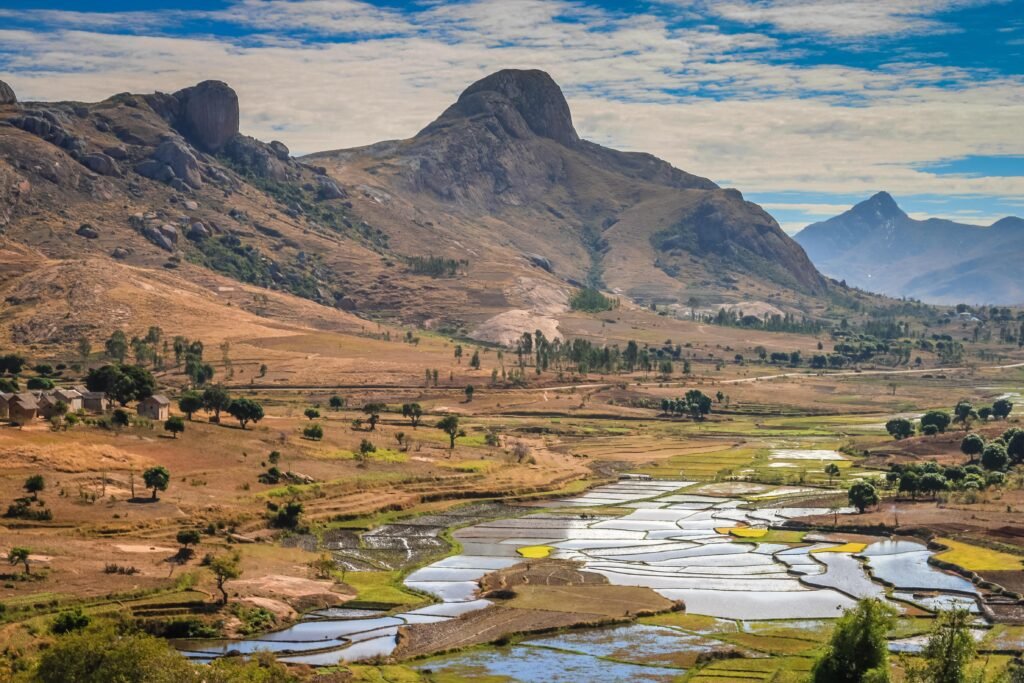
Designated an ensured area way back in 1962, this current one’s extreme biodiversity and novel natural cosmetics are right away recognizable.
Visitors come to wonder at the windswept runiforme mountains and stroll underneath pinnacles of stacked stone.
They come to see the rare crested ibis and meet ring-followed lemurs in nature.
There are additionally more than 80 types of endemic birds to spot, alongside the famous Canyon of Monkeys, with its dextrous sifakas occupants.
Ambohimanga
Ambohimanga is a spot deeply entwined with Malagasy public identity.
Additionally called, basically, Royal Hill, it was the onetime home of the neighborhood kings.
Expanded and added to throughout the 1800s, the hill of palaces and graveyard, disintegrating fortifications and regal burial chambers, was the kingpin of one of Madagascar’s four quadrants, and the spot from which King Andrianampoinimerina dispatched his now-popular campaigns to re-bind together Imerina following more than seven decades of civil war in the eighteenth century.
Today, visitors can come on a roadtrip from the capital to tour the UNESCO spot, spying out the kingly courts and impeccable lumber and stone rova (settlement) architecture.
Masoala National Park
Falanoucs, leaf-followed geckos and rare lemurs all mix between the immense 2,300-sqaure-kilometers of land that is the Masoala National Park.
Sticking out into the Indian Ocean in a mosaic of thick rainforests that cascade down to the crashing rollers of the ocean from the bluffs of the Sava Region, it’s one of the biggest and most fervently secured places in the country.
Illegal logging here has been a huge issue, even in recent years, yet an UNESCO designation and increased eco-tourism is only set to further develop matters.
Today, visitors can come to stroll along the famous Cap Est and Alohatrozana trails, to see the virgin forests that dress the shore along its entire length.
Zahamena National Park
Hung in rainclouds and fog, clad in moving shades of emerald green, and hidden between the rising tops on Madagascar’s eastern edge, the famous gem of the rainforests of the Atsinanana comes as the Zahamena National Park.
One of the hardest ensured areas in the nation to get to, this area of a little more than 400 square kilometers is home to one of the most mixed varieties of bird life.
That’s right, red owls and snake falcons voyage through the waxy limbs and plant forests, meeting the white-eyed indri, dwarf lemurs and other inquisitive simian life.
Bed down in adjacent Vavatenina or Ambatondrazaka for the best admittance to these wilds.
Morondava
Sandwiched between the sandy sea shores of the Kirindy Mitea National Park toward the south and the spreading delta grounds of the Andranomena Reserve toward the north, it’s obvious consistently that Morondava’s real hauls lie out of town.
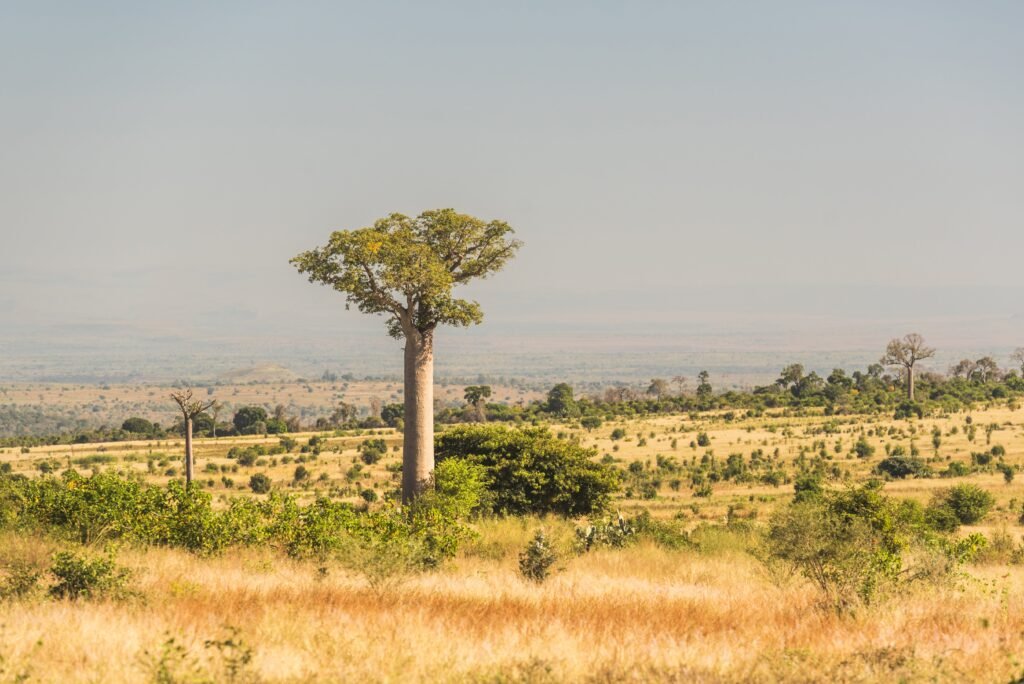
That doesn’t mean the center does not merit bedding down in – this seaside spot has some pretty little wood homes and earthy guesthouses, alongside a great hiker vibe.
The masterpiece is undisputed however.
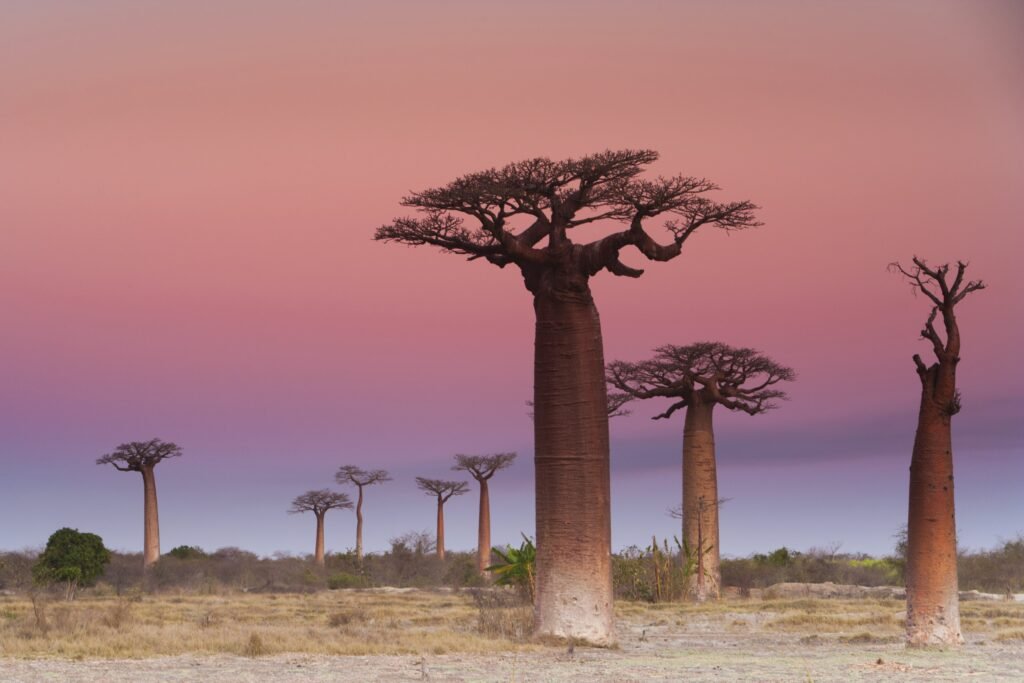
That honor goes to the revered Avenue of the Baobabs, which ejects in a mixture of hulking trunks along the roadway to Belon’i Tsiribihina close by – essentially not to be missed!
Maroantsetra
The favored entryway to the Masoala National Park and the aforementioned wilds of Nosy Mangabe, age-old Maroantsetra makes its home right toward the finish of the great Bay of Antongil in north-east Madagascar.
An earthy and interesting town, it’s laden with one pulsating commercial center that is loaded with sweet-smelling foods grown from the ground colored vegetables, and has crisscrossing streets of mud fixed with tin-shack shelters.
It’s additionally where the meanders of the Antainambalana River finally meet the Indian Ocean, giving the recognize a laid-back riparian appeal for sure.